Music With Mrs. Tanenblatt

Showing posts with label SEL. Show all posts

Saturday, February 25, 2023

What to Do When Students Aren't Listening

If your school year has gone at all like mine has, you might be feeling like this:
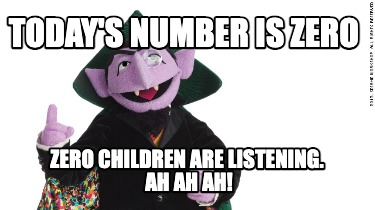
Meme of the count from Sesame Street with text reading "Today's number is zero. Zero children are listening. Ah ah ah!"

I know it can be incredibly frustrating and I have had days this month when I just wanted to rip my hair out! But when I take a step back, get out of my feelings, and think about what is really going on in my classroom, I come to rely on these ten key steps to help get kids to listen to what I'm trying to teach them.

1. Eye Contact


This is probably the most basic thing you can do to connect with your students. Making direct eye contact reminds them that you are paying attention to them and encourages them to do the same.

2. Proximity


The next thing to try is just to walk around your room and stand near the students who aren't paying attention. Sometimes they just need a subtle reminder that you're nearby and that they should focus. Moving around the room also makes it easy to have a quick check-in with a student who may need more support.

3. Student Helpers


Children LOVE having jobs to do in the classroom! It could be something as simple as turning the lights on or coming up to point on the board. Any time you can enlist a child's help in the lesson you strengthen your bond with that child, which will in turn help keep them engaged. 

4. Wait Time


Sometimes the best thing to do when kids are talking is to wait it out. Talking over students sets the precedent that it's ok to talk while the teacher's talking. One word of warning, though: make sure that your students are aware that you're waiting. Otherwise they might not even realize that the lesson has stopped because they were off topic. I sometimes will say, "raise your hand if you hear someone next to you talking" and that usually gets the room quiet.

5. Change up the Activity


You should consider that there might be a problem with the pacing or format of your lesson. Remember that children's attention spans are pretty short and getting shorter. When in doubt, get up and dance or have a stretch break!

6. Private Conversation


If you do need to redirect a student multiple times, I suggest pulling them aside and talking to them privately about their behavior. Doing so in front of the whole class is not only dehumanizing for the student but has the potential to create a power struggle if they don't comply with your instructions. Talk to them personally. Try to figure out where the unwanted behavior is coming from and ask them how you can help them succeed.

7. Involve All Stakeholders

If you continue to struggle to connect with an individual student, don't be afraid to get others involved who may already have a strong relationship with them. Keep in mind that it's not always going to be a family member. You can also (within reason) reach out to another trusted adult at the school who has a good relationship with the child. Make sure that when you do communicate with the adult that you are calling them in with the intention of listening and understanding in order to help the child.

8. Lesson Audit


If you're doing all the previous steps and still struggling with students not listening, it's time to consider whether your lessons or curriculum might need changing. As teachers, we're obligated to meet our students where they are- not where we'd like them to be. Find out what your students' interests are and go from there.

9. Re-establish Class Norms


Sometimes you might need to have a heart-to-heart conversation with a class about what's working and what's not. Be open and honest about how you're feeling and encourage students to share their feelings as well, if they are comfortable doing so. Work together collaboratively establish your class norms to move forward as a team.

10. Reach out for Help


These are extremely challenging times. Teachers are getting burnt out. Children are experiencing trauma. It's easy to get discouraged. It helps to remember you're not alone. Hopefully you have someone at your school you
can talk to. If you don't have supportive people at your schoolhouse, reach out to your teacher fam on social media. Just as it is with everything else in life, we can only get through this by working together.


Tuesday, June 29, 2021

Help! I'm Teaching Elementary General Music!

So you just found out you're going to be teaching Elementary General Music. Congratulations on your new teaching job! Maybe you're coming into this position after teaching a different age/subject area, or maybe this is your first job outside of college. Whatever has brought you to this point, you made it here! 

Your mind is probably spinning with ideas for next school year and questions for where to begin. I'm here to remind you to relax, take a deep breath, and get ready for a year full of learning and personal growth.


Help! I'm teaching general music by Music With Mrs. Tanenblatt


  1. First and foremost, relationships matter
    As an Elementary General teacher, you're probably going to be teaching hundreds of children every week. It can be overwhelming at first to think about getting to know so many kids! This definitely gets easier the longer you stay at one single school, but that first year it is most important to get to know your kids: Talk to them during transitions or downtime. Ask them what their hobbies and interests are, and be sure to incorporate that information in your lessons. Say hi when you pass them in the hallway.

    I wouldn't try to jump right into teaching content during your first lesson. That first week of school should be spent getting to know your students through ice breaker activities, name games, and joyful music-making.

    Just as important as it is to get to know your students, it is equally important for them to get to know you. Children aren't going to learn from someone they don't trust. It is crucial to be open and friendly from the very beginning. I always start my first class with a slideshow that includes family photos and fun facts about me. I've bonded with lots of kids over my pet lizard and love of Animal Crossing. 


    Example of an identity slide featuring photos and graphics about Mrs. Tanenblatt

  2. Expectations, Expectations, Expectations
    Elementary schoolers are, in general, eager to please. After teaching in multiple schools across the state, I have come to the conclusion that kids everywhere are pretty similar in this area, regardless of age, race, gender, class, or any other characteristic. Kids want to learn, especially from a teacher they know and trust. The biggest mistake I've seen from newer teachers who struggle with classroom management is a failure to set clear expectations. Most kids really do want to succeed in school, but might not fully understand what exactly you want them to DO in order to be successful.

    I can still remember a horrible moment (but oh, so funny in retrospect) from my first year teaching: I had a water fountain in my classroom and there was a group of first graders that came to me straight from phys ed. They were all seated and ready for class to begin and I was giving them a little tour of the features in the classroom. I casually said, "oh and there's a water fountain here in case you ever need to get a drink." Have you seen the scene in The Lion King with the stampede? Yeah... not making that mistake again. But I don't blame the students. What I should have said was something along the lines of, "We have a water fountain in the music room. You may take a drink when you first enter the classroom before you sit down in your seat, or you will need to raise your hand and wait to be called on before you get up." Young children need explicit instructions in order to be successful. 


    Photo of a girl sitting in a classroom raising her hand while the teacher points to her

  3. Attention Span
    If you're coming to the Elementary realm after teaching upper grades, you may be surprised by how short young children's attention spans are. A good rule of thumb is the child's age in minutes is the length of time they can focus on a single activity. So a seven year old can focus for seven minutes, etc. 

    Primary students will visibly let you know when they've reached their limit and need a change of pace because they will start to get squirrely in their seats. A super self-aware kindergartener might even raise their hand and ask if they can do the next song standing up. With the older kids it might be harder to tell when you've lost their attention, until you notice them having side conversations, falling asleep, or just staring off into space. 

    When planning my lessons, I try to alternate between more challenging/high focus activities and less intense ones. I also try to switch between seated/standing/scattered in small groups/moving around. Little bodies were not made to sit still for a 40 minute class period. So many behavior problems can be avoided simply by keeping them moving.

  4. Learn Their Names
    This might seem obvious, but learning your students' names is SO important. If you do nothing else the first month of school, learn their names. Write down every student on a seating chart. Refer back to it every time you see the class. When you call on an individual student, don't just point to them- actually say their name. If you get it wrong, apologize and get it right next time. When I first started teaching, I remember being embarrassed to admit when I couldn't remember a kid's name. However, trying to avoid admitting it only made the problem worse. I've found that kids are quite understanding when I simply say something like, "I'm so sorry. I teach hundreds of kids and I'm still learning everyone's names. Will you please remind me what your name is?" 

    And while we're on the subject of names, make sure you are pronouncing every child's name correctly. Yes, it matters. No, it's not funny to give them an Anglicized nickname because you can't pronounce it in their language. Obviously your students should be the primary source for how to pronounce their names, but if you need a guide so you don't feel completely lost on the first day of school, check out https://pronouncenames.com/


    Our names represent who we are and failing to use a child's name correctly tells them that you have no interest in them. I highly suggest reading the book "Your Name is a Song" by Jamilah Thompkins-Bigelow at the beginning of the school year and using that as way to encourage students to share the correct pronunciation of their names.

    (Click on the book cover for a paid Amazon affiliate link:)

    Cover of the book Your Name is a Song by Jamilah Thompkins-Bigelow

  5. Make a Monthly/Yearly Plan, and be prepared to deviate from it
    I can't tell you how many times I've seen the following post in some form or another on social media: "Hey everyone, what are you doing with your second graders this week?"

    It makes me cringe every time. 

    Now, don't get me wrong: I am ALL FOR sharing successful lessons and fun teaching strategies with my colleagues. However, it has become very clear that some folks are only planning their lessons one week at a time and have no idea what the big picture is for their curriculum. At the beginning of school year, I spend a few days mapping out my entire year for each grade level (big picture units, not individual lesson plans) and it makes planning so much easier later on. I never have to stop and think, "hmmm, what is the next rhythm concept that my third graders should be learning?" because I already have it all planned out. Most school districts have some kind of curriculum and pacing guide for you to use as you design your yearly plans. (If not, you can easily find decent plans online on Teachers Pay Teachers.)

    Once you have your year planned out, you don't need to stress from week to week about what concepts you're supposed to be teaching. Instead you can spend your planning time selecting the best repertoire and awesome activities to teach those concepts. Of course, things will not always go according to plan. It might take more or less time to teach certain concepts and it is important to be flexible. One class might get interrupted by a bunch of fire drills or miss class due to holidays. There's a reason why I always sketch out my plans in pencil! 

  6. Music should be FUN!
    Depending on your school district, elementary music might be the only time in your students' school experience where they are required to take a music class. You might be the only music teacher your students have in their entire lives. (No pressure, right?) What do you want your students to remember when looking back on your class in 30 years? Do you want them to say, "Oh man, Ms. Jones did a really great job of teaching me the circle of fifths" or would you rather they remember the amazing time they had in your classroom, bonding and connecting with others through music?

    I try to keep this in mind whenever I'm having a rough day or a certain class leaves me feeling frustrated: My job is to help kids discover their love of music. I get to sing, dance, and play games every day. And people actually pay me to do it! It is really the best job in the world.

Girl holding an 'ukulele


I hope you're excited to begin teaching Elementary General Music and I hope these tips make the transition a little bit easier for you. If you have any questions, you can always reach out to me with a comment, email, or on social media. I'd love to hear how things are going as you start your journey. Good luck!

Sunday, January 10, 2021

Feelings Check!

A terrorist attack on our nation's capitol... in the middle of a deadly pandemic... This past week has been a crazy one in the United States and I know that my personal feelings have been ALL OVER THE PLACE. Anxiety, worry, moments of joy and surprise... I have no doubt that my students are also struggling with lots of big feelings right now. As teachers we can't expect to solve all of our students' problems, but we can certainly check in with them to help recognize their emotions. As the saying goes, "If you can name it, you can tame it." 


Online learning makes it so much harder to get an accurate gauge of how our students are doing emotionally. We are physically distant and often can't even see their faces. Unless we make a point of asking our students how they're doing, we could miss significant things going on with their emotions.

I made these feelings check-ins as lighthearted way to inquire about my students emotional wellbeing and readiness to learn. After all, a child with dysregulated emotions is not going to able to sit and focus in a music lesson! It is our job to find out where the students are and what they need. 

I sometimes add one of these images to the beginning of my lesson slideshow. I ask students to respond by typing their number in the chat. I give them the option to share more details about why they chose their number but make sure they know that divulging more information is not required. It has started some meaningful conversations and helped me understand more of what my students are going through during these crazy times.


I hope these are helpful for you and spark meaningful conversations between you and your students!